
जिनालयJINAALYA
शास्त्रसम्मत जिन मंदिर की डिज़ाइन, चरण-दर-चरण — मूलनायक, दिशा, लेआउट और माप, देवशिल्प व प्रासाद मण्डन के आधार पर।Design a shastra-compliant Jain temple, step by step — deity, orientation, layout and dimensions, from Devshilp and Prasad Mandan.
जिनालय की दुनिया में आपका स्वागत है। 'जिनालय' एक संयुक्त शब्द है—'जिन' का अर्थ है जिनेंद्र और 'आलय' का अर्थ है आवास। जैसा कि नाम से स्पष्ट है, यह वेबसाइट जैन मंदिरों के क्षेत्र में गहराई से प्रवेश कराती है।
Welcome to the world of Jinaalya. Jinaalya is a compound word derived from Jin, referring to Jinendra Bhagwaan, and Aalya, meaning abode. As the name suggests, this website delves deeply into the domain of temples dedicated to Jinendra Bhagwaan.
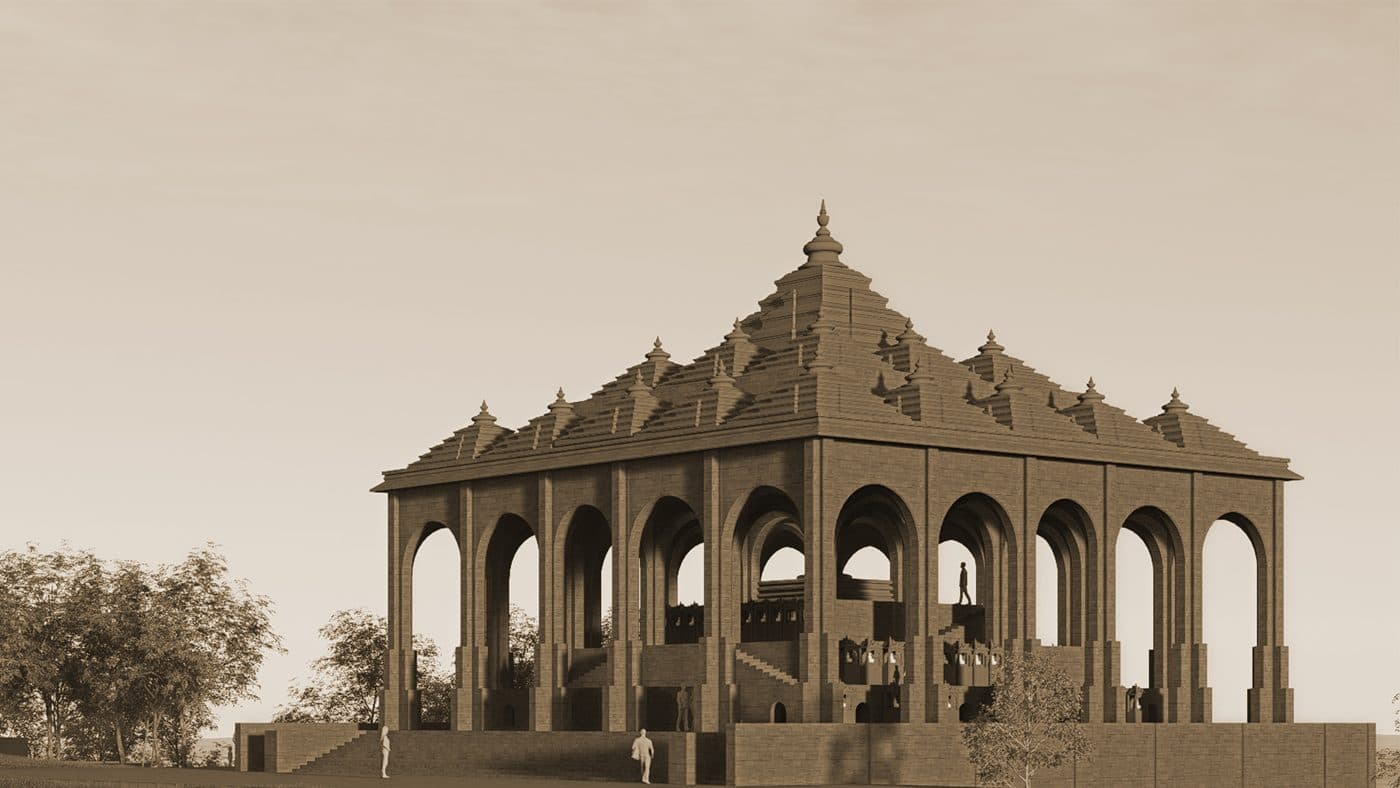
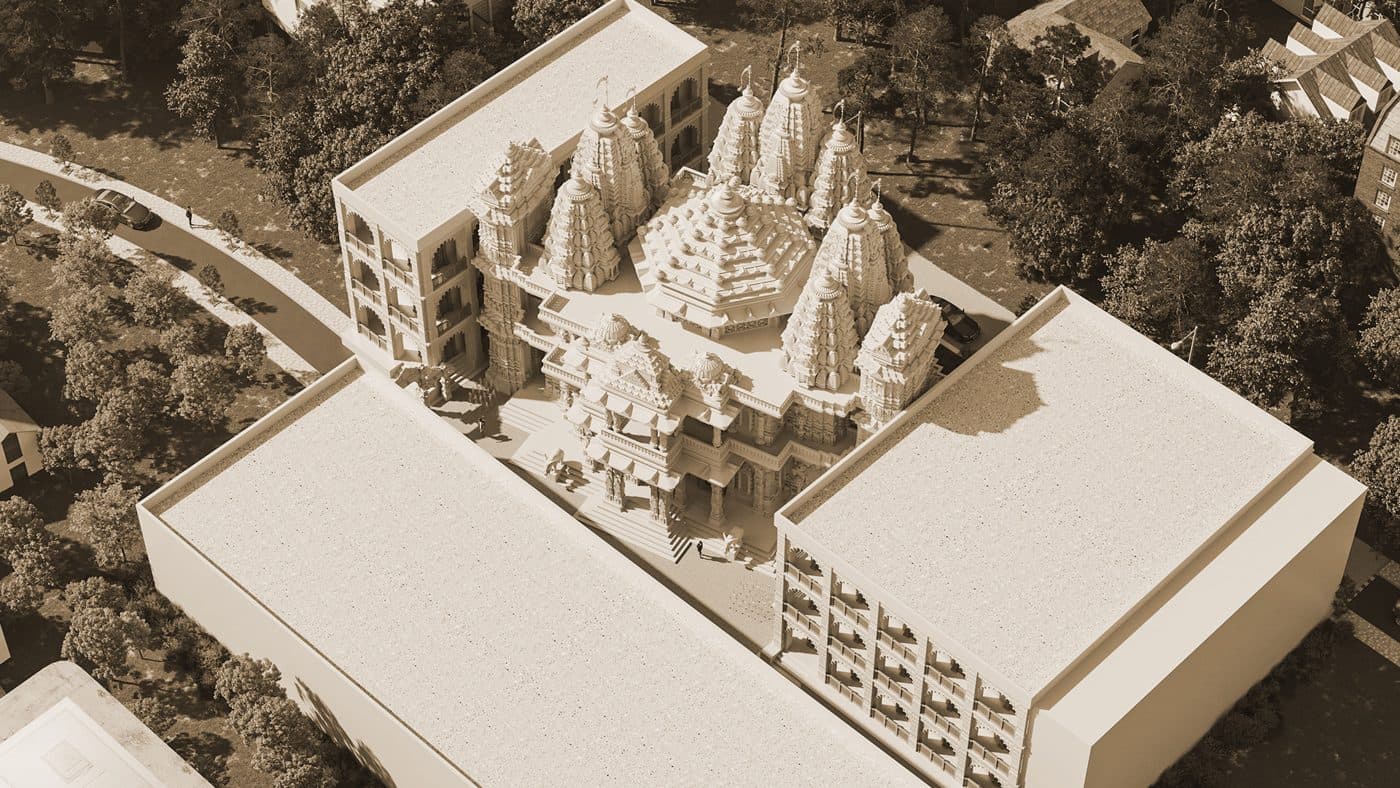
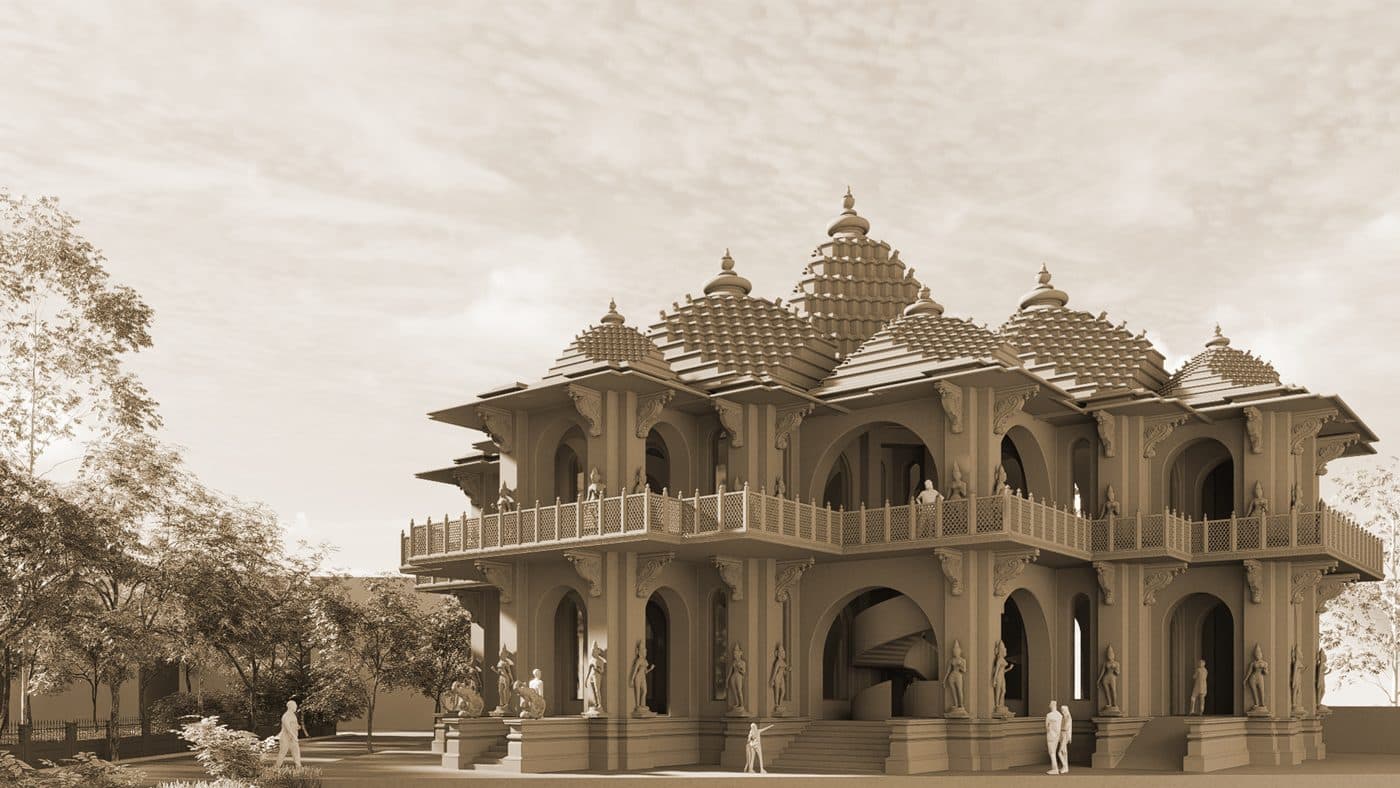
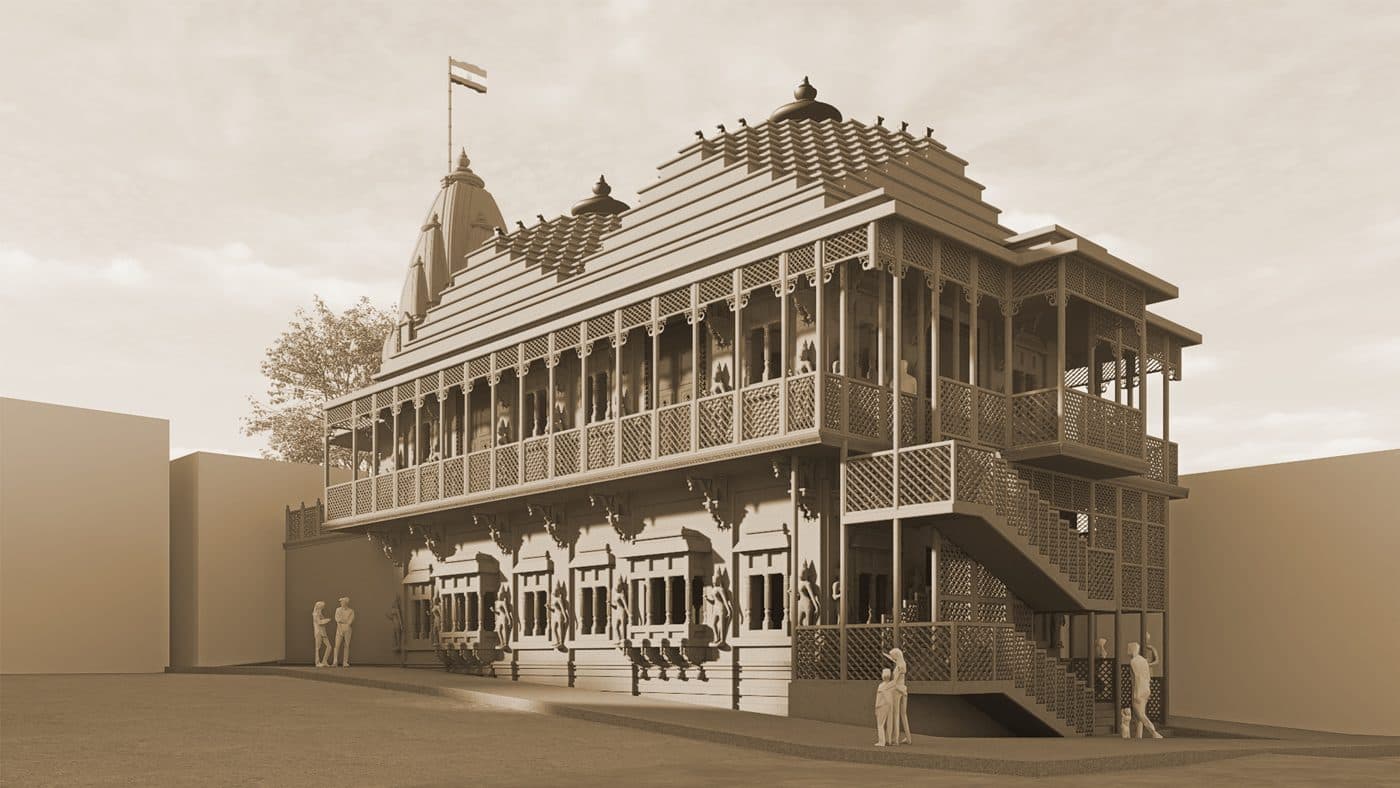
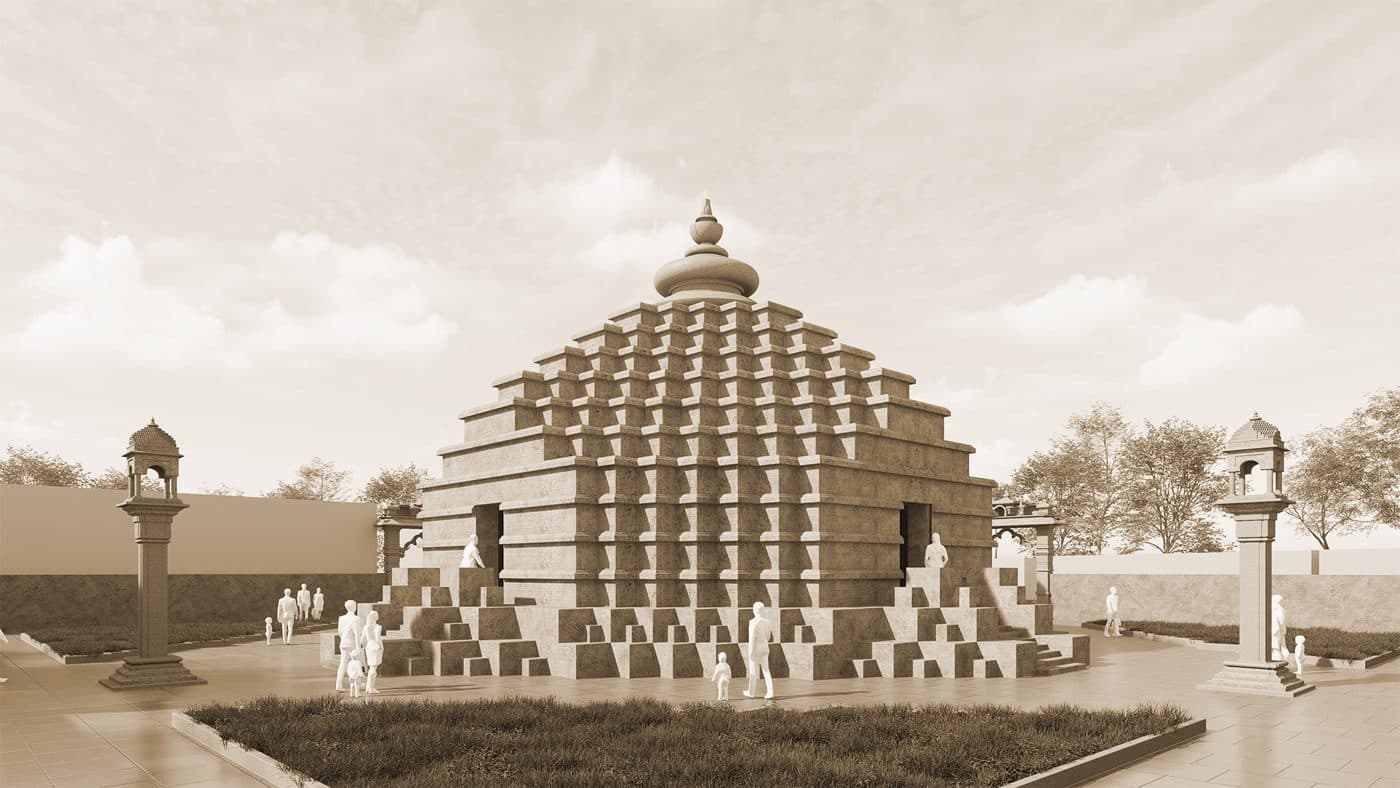
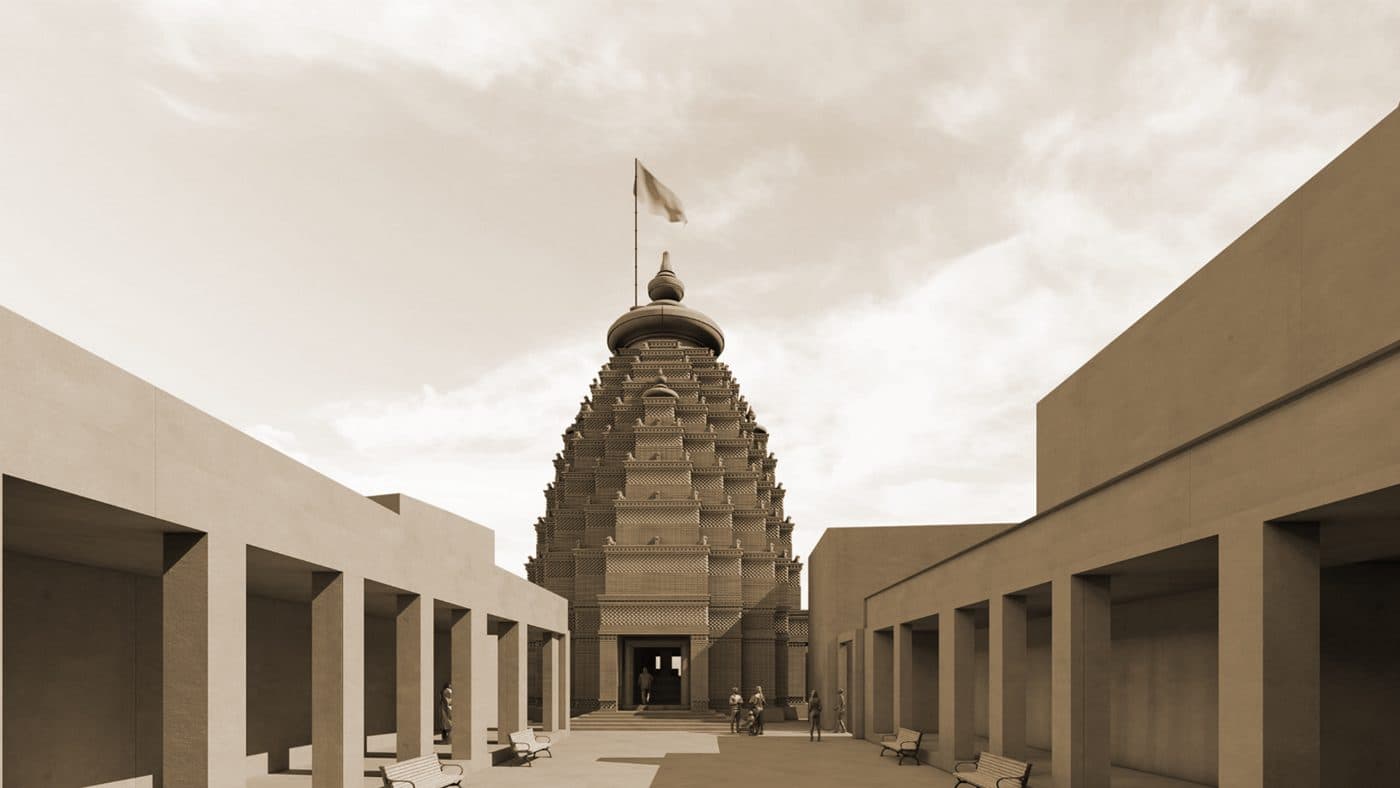
Image credit / copyright: Aalyang Architects
जिनालय ऐपJinaalya App
जिनालय ऐप मंदिर डिज़ाइन के लिए आवश्यक प्रमुख मानकों की विस्तृत जानकारी प्रदान करता है। यह शिल्प रत्नाकर, देवशिल्प और प्रासाद मंडन जैसे पारंपरिक वास्तु ग्रंथों पर आधारित है। यह ऐप इन मानकों के महत्व को समझाता है और उन्हें निर्धारित करने की प्रक्रिया भी बताता है। यह ऐप निम्नलिखित चार परिस्थितियों के लिए विकसित किया गया है:
The Jinaalya App provides a comprehensive understanding of the key parameters essential for temple design. Drawing upon traditional architectural texts such as Shilp Ratnakar, Devshilp, and Prasad Mandan, it explains both the significance of these parameters and the methodology for determining them. The application is designed to address the following scenarios:
विद्यमान मूलनायक भगवान के लिए विद्यमान भूमि पर नए मंदिर का निर्माण।Construction of a new temple for an existing principal deity on an existing land parcel.
विद्यमान मूलनायक भगवान के लिए नई भूमि पर नए मंदिर का निर्माण।Construction of a new temple for an existing principal deity on a new land parcel.
नए मूलनायक भगवान के लिए विद्यमान भूमि पर नए मंदिर का निर्माण।Construction of a new temple for a new principal deity on an existing land parcel.
नए मूलनायक भगवान के लिए नई भूमि पर नए मंदिर का निर्माण।Construction of a new temple for a new principal deity on a new land parcel.
शास्त्रीय सिद्धांतों के अनुरूप सर्वाधिक उपयुक्त मंदिर डिज़ाइन तक पहुँचने के लिए प्रक्रिया को दो चरणों में विभाजित किया गया है:To arrive at the most appropriate temple design aligned with canonical principles, the process is divided into two stages:
चरण 1 – प्रमुख मानकों का निर्धारणStage 1 – Determining Key Parameters
मूलनायक भगवानPrincipal Deity
मंदिर की दिशाTemple Orientation
योजना प्रकारPlan Typology
गर्भगृह के आकार की सीमाSanctum Sanctorum Size Range
चरण 2 – मंदिर का डिज़ाइनStage 2 – Temple Design
- गर्भगृह (चौड़ाई × गहराई), मंडप, चौकी तथा अन्य योजना अवयवों के लिए सर्वाधिक शुभ आयाम निर्धारित करना।Determining the most auspicious dimensions of the Sanctum Sanctorum (Width × Depth), Pavilions (Mandaps), Entrance Foyer (Chawki) and other plan elements.
- गर्भगृह, मंडप तथा मंदिर के अन्य भागों के लिए '21 अंग अधिकार' पर आधारित ज्योतिषीय गणनाएँ करना।Performing astrological calculations based on 21 attributes — '21 ang adhikaar' — for all spaces of the temple like the Sanctum Sanctorum, Pavilions etc.
- संरचनात्मक आवश्यकताओं एवं ज्योतिषीय गणनाओं के आधार पर मंदिर की आंतरिक ऊँचाई और दीवारों की मोटाई निर्धारित करना।Establishing internal clear height of the temple and wall thicknesses based on structural requirements and astrological calculations.
- निर्धारित दृष्टि के आधार पर द्वारों के आयाम तय करना।Determining door dimensions based on the established sightline (Drishti).

कार्ड / Card 1.1 · 1/30
भगवान का चयनDeity's Selection
हर फ्लैशकार्ड एक प्रश्न पूछता है — एक निर्णय, एक कार्ड।Each flashcard asks one question — one decision per card.
उत्तर शास्त्र-तालिकाओं से जाँचा जाता है, अनुमान से नहीं।The answer is checked against the shastra tables, not guesswork.
हर उत्तर अगले कार्ड में आगे बढ़ता है — अंत तक एक पूर्ण डिज़ाइन आधार।Every answer carries forward to the next card — by the end, a complete design basis.
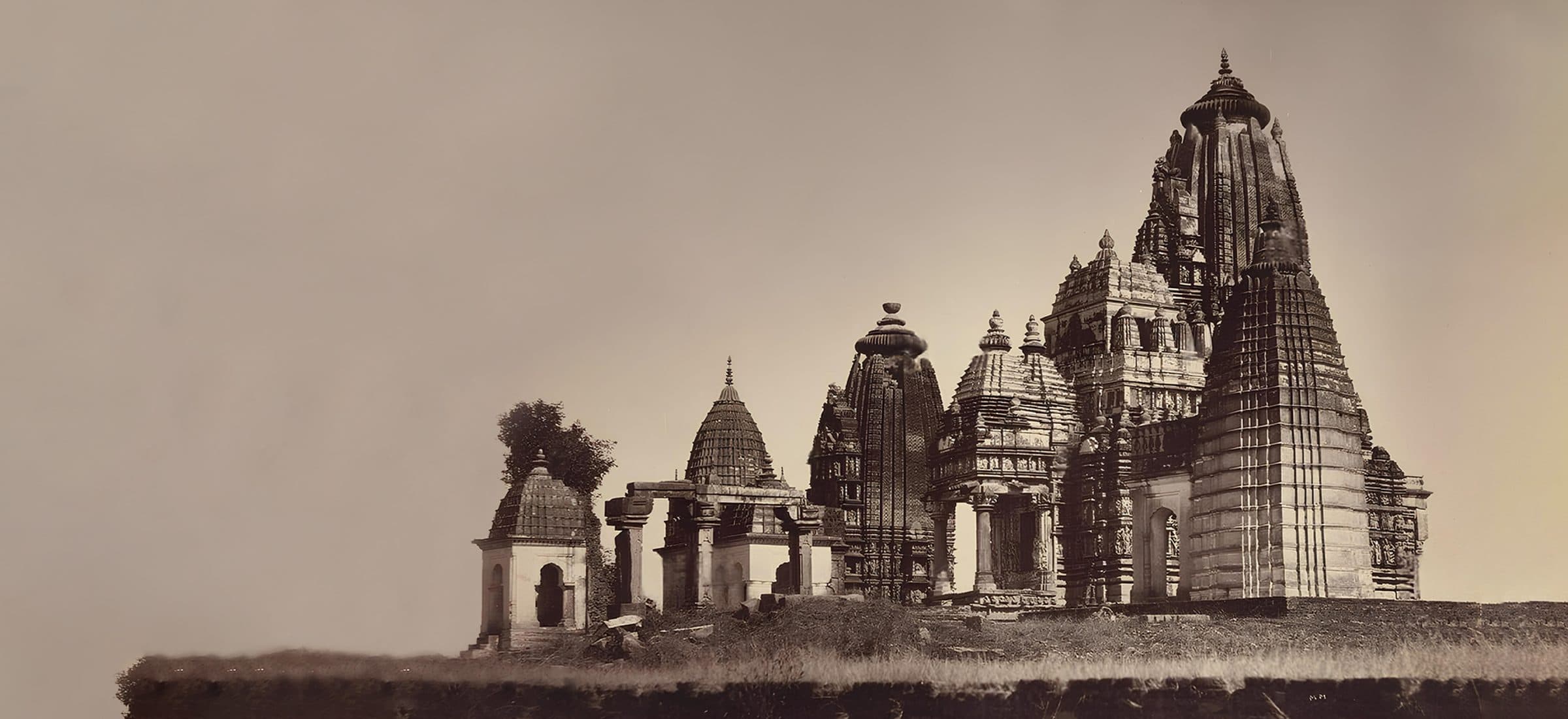
भारत की मंदिर परंपरा एक अत्यंत विकसित वास्तु परंपरा का उत्कृष्ट उदाहरण है, जिसमें कला, विज्ञान, अध्यात्म और अभियांत्रिकी का अद्भुत समन्वय दिखाई देता है। भारतीय मंदिर वास्तुकला केवल सौंदर्य की अभिव्यक्ति नहीं है, बल्कि यह संरचनात्मक प्रणालियों, प्राकृतिक निर्माण सामग्रियों, ज्यामिति, खगोल विज्ञान तथा आध्यात्मिक प्रतीकों के गहन ज्ञान पर आधारित है। प्राचीन स्थापत्याचार्यों एवं शिल्पियों ने मंदिर निर्माण की अत्यंत परिष्कृत विधियाँ विकसित कीं और उन्हें विभिन्न वास्तु एवं शिल्प ग्रंथों में लिपिबद्ध किया। इन ग्रंथों में वास्तु सिद्धांतों के साथ-साथ गणितीय एवं ज्योतिषीय सूत्र भी दिए गए हैं, जो मंदिर के आयामों, अनुपातों और आध्यात्मिक उद्देश्य को एक-दूसरे से जोड़ते हैं।
India's temple heritage stands as a remarkable testament to a highly evolved tradition of architecture that seamlessly integrated art, science, spirituality, and engineering. Temple architecture was never merely an exercise in aesthetics; it embodied a profound understanding of structural systems, material properties, geometry, astronomy, and sacred symbolism. Ancient architects and sthapatis developed sophisticated methods of design and construction, many of which were meticulously documented in traditional treatises. These texts not only described architectural principles but also established mathematical and astrological frameworks that connected design, proportion, and sacred intent.
एक सदस्यता दोनों चरणों के सभी फ्लैशकार्ड खोलती है। A subscription unlocks every flashcard in both stages.
2 Hour Plan
All Flashcards available for 2 hours*(Currently 20 flashcards active)
1 Day Plan
All Flashcards available for 24 hours*(Currently 20 flashcards active)
1 Week Plan
All Flashcards available for 7 days*(Currently 20 flashcards active)
1 Month Plan
All Flashcards available for 30 days*(Currently 20 flashcards active)
1 Year Plan
All Flashcards available for 365 days*(Currently 20 flashcards active)
सभी कीमतें जीएसटी सहित हैं। All prices are inclusive of GST.
* नियम एवं शर्तें लागू / Terms and conditions apply
क्या मुझे ज्योतिष का ज्ञान चाहिए?Do I need astrology knowledge?
नहीं। फ्लैशकार्ड सरल प्रश्न पूछते हैं — जैसे मूलनायक भगवान का नाम — और ज्योतिषीय गणनाएँ सॉफ़्टवेयर स्वयं करता है।
No. The flashcards ask simple questions — such as the principal deity's name — and the software performs the astrological calculations itself.
फ्लैशकार्ड क्या है?What is a flashcard?
एक कार्ड = एक निर्णय। हर कार्ड एक प्रश्न पूछता है, उत्तर शास्त्र-तालिकाओं से जाँचता है, और उसे अगले कार्ड में आगे बढ़ाता है।
One card = one decision. Each card asks a question, checks the answer against the shastra tables, and carries it forward to the next card.
डेटा कौन भरता है — समिति या वास्तुकार?Who enters the data — the committee or the architect?
कोई भी। प्रश्न सामान्य भाषा में हैं; अधिकांश उत्तर मंदिर समिति के पास पहले से होते हैं, और शेष वास्तुकार के साथ मिलकर भरे जा सकते हैं।
Either. The questions are in plain language; a temple committee already has most of the answers, and the rest can be filled in together with the architect.
सदस्यता समाप्त होने पर मेरी परियोजनाओं का क्या होगा?What happens to my projects when my plan lapses?
कुछ नहीं खोता। आपकी परियोजनाएँ और पूर्ण किए गए कार्ड पढ़ने के लिए उपलब्ध रहते हैं — नई गणनाओं के लिए ही सक्रिय सदस्यता चाहिए।
Nothing is lost. Your projects and completed cards stay readable — an active subscription is only needed to run new calculations.
क्या यह केवल नए मंदिरों के लिए है?Is this only for new temples?
चार परिदृश्य नए मंदिर के निर्माण के लिए हैं — विद्यमान या नए मूलनायक और भूखंड के हर संयोजन के लिए। जीर्णोद्धार के लिए मार्गदर्शन आगामी है।
The four scenarios cover building a new temple — every combination of existing or new deity and plot. Guidance for restoration is on the roadmap.
आचार्य श्री 108 विद्यासागर जी महाराज एवं आचार्य श्री 108 समयसागर जी महाराज के दिव्य आशीर्वाद तथा मुनि श्री 108 दुर्लभसागर जी महाराज के मार्गदर्शन एवं संरक्षण में, आल्यांग आर्किटेक्ट्स की एक पहल जिनालय, सुकृति कला केंद्र के सहयोग से, जैन मंदिर वास्तुकला के शाश्वत विज्ञान, ज्ञान एवं परम्पराओं के पुनर्जीवन के लिए समर्पित है।
With the divine blessings of Acharya Shree 108 Vidhyasagar Ji Maharaj and Acharya Shree 108 Samaysagar Ji Maharaj, and under the guidance and mentorship of Muni Shree 108 Durlabhsagar Ji Maharaj, Jinaalya, an initiative by Aalyang Architects in association with Sukrati Kala Kendra, is dedicated to reviving the timeless science, wisdom, and traditions of Jain temple architecture.
जिनालय एक समग्र एआई-सक्षम (AI-enabled) सॉफ्टवेयर एवं वेब प्लेटफ़ॉर्म है, जिसे विशेष रूप से जैन मंदिरों की डिज़ाइन अवधारणा, योजना निर्माण तथा मूल्यांकन के लिए विकसित किया गया है। यह प्राचीन वास्तुशास्त्रीय ग्रंथों में निहित गहन ज्ञान को एक सरल एवं सहज डिजिटल माध्यम में रूपांतरित करता है, जिससे मंदिर प्रशासक, वास्तुकार, विद्वान तथा श्रद्धालु स्पष्टता एवं आत्मविश्वास के साथ सूचित निर्णय ले सकें।
Jinaalya offers a comprehensive AI-enabled software and web platform developed exclusively for the design ideation, planning, and evaluation of Jain temples. By transforming the profound knowledge contained in ancient architectural scriptures into an intuitive digital platform, we empower temple administrators, architects, scholars, and devotees to make informed decisions with clarity and confidence.
हमारा उद्देश्य भारत की समृद्ध मंदिर विरासत का संरक्षण करना तथा सदियों से संचित वास्तुशिल्पीय ज्ञान को विचारशील तकनीक, प्रामाणिक ज्ञान एवं बुद्धिमत्तापूर्ण डिज़ाइन के माध्यम से आने वाली पीढ़ियों तक पहुँचाना है।
Our mission is to preserve India's rich temple heritage while making centuries of architectural wisdom accessible to future generations through thoughtful technology, authentic knowledge, and intelligent design.
परम्परा और तकनीक के समन्वय से जैन मंदिर वास्तुकला के भविष्य के संरक्षण और निर्माण की इस यात्रा में हमारे साथ जुड़ें।
Join us in preserving and shaping the future of Jain temple architecture through the harmonious integration of tradition and technology.